The Environmental Challenges In Sub Saharan Africa
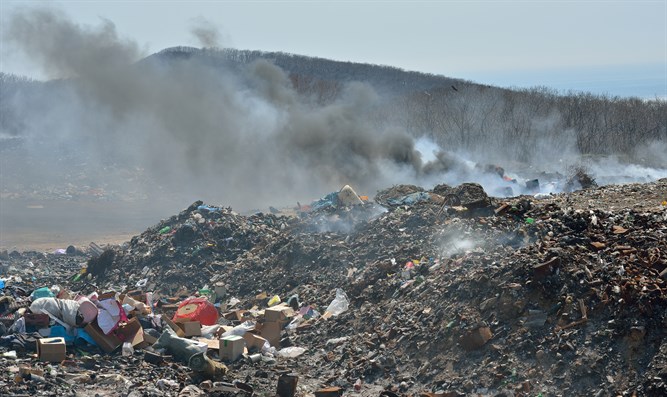
Sub-Saharan Africa suffers from some serious environmental problems, including deforestation, soil erosion, desertification, wetland degradation, and insect infestation. Efforts to deal with these problems, however, have been handicapped by a real failure to understand their nature and possible remedies. Conventional wisdom views the people of this region as highly irresponsible toward the environment and looks to the international community to save them from themselves. It tends to blame all of the region's environmental problems on rapid population growth and poverty. Yet, there is no conclusive evidence that Africans have been particularly oblivious to the quality of the environment, nor has the international community shown any genuine concern for it until recently. Clearly, protecting the environment of Sub-Saharan Africa is an issue that needs to be examined more carefully and incorporated into an overall strategy of sustainable economic development.
Formulating such a strategy will not be easy: In the closing years of the 20th century, virtually every country in this region is slipping on almost every index of development. The heady post-independence period of the 1960s and early 1970s, when development was considered simply a matter of following a plan formulated by Western experts, has now been succeeded by a time of fiscal crises and international marginalization. The region now finds itself afflicted the consequences of inappropriate policies, as well as by almost endemic political instability, an inability to manage its economies effectively, and an increasingly hostile external economic milieu. As simple survival has become more problematical, it has become increasingly difficult to avoid overexploiting natural resources and degrading the environment. Analysts are now concerned that this will compromise the prospects for sustainable development in the near future.1
To understand the full dimensions of the problems, it will first be necessary to examine the factors that predispose sub-Saharan Africa to serious environmental degradation. This will permit a detailed investigation of the environmental problems caused by humans in both rural and urban areas, along with a suggestive comparison between those problems and ones caused solely by nature. It will then be possible to look at the question of environmental protection in terms of sustainable development in the region and to suggest the roles that the state and international assistance ought to play. The present situation offers an important opportunity to redirect development strategy in ways that will not only improve the social and economic well-being of people in this region but also enhance the quality of the environment in which they live.